How Can You Choose Modern Interior Design Elements That Won’t Look Dated?
To create a modern interior design that won’t feel dated, prioritize timeless materials, balanced proportions, neutral foundational colors, and high-quality furnishings. Incorporate current trends through easily replaceable accents such as pillows, artwork, and accessories. This approach allows homeowners to enjoy contemporary style while maintaining a sophisticated, functional space that remains appealing as design preferences evolve.
At hōme•ol•o•gy, we believe exceptional interior design should feel just as beautiful years from now as it does the day it’s completed. While design trends can provide exciting inspiration, creating a home that reflects your personal style requires more than following what’s popular. The most successful interiors balance classic design principles with thoughtful modern touches, resulting in spaces that feel fresh, welcoming, and enduring.
Our approach to residential interior design emphasizes quality, comfort, and personalization. From carefully selected furnishings and custom finishes to cohesive color palettes and architectural details, hōme•ol•o•gy helps homeowners make confident design decisions that stand the test of time. Whether you’re remodeling an entire home or refreshing a single room, understanding the difference between timeless and trendy design can help you create a space you’ll love for years to come.
Timeless Interior Design Ideas for a Modern, Lasting Home
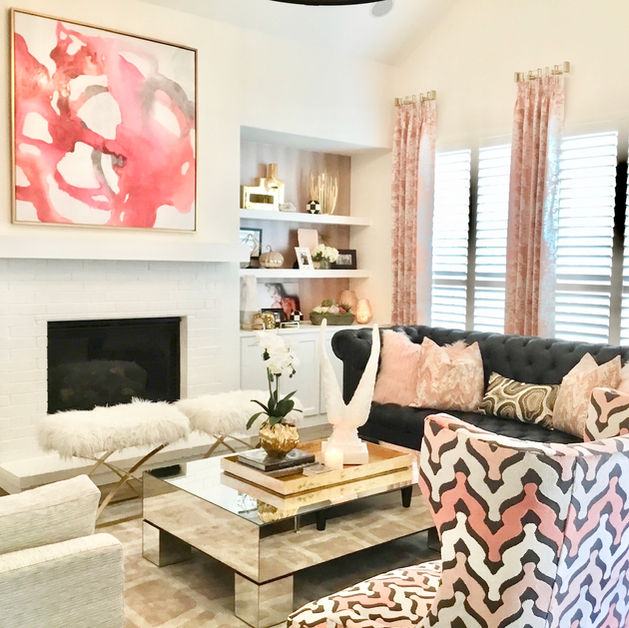
Timeless interior design doesn’t mean avoiding trends altogether. Instead, it involves choosing lasting design elements for your home’s foundation while incorporating contemporary details that can evolve with your preferences.
The following five strategies can help you create a modern home that feels sophisticated without becoming outdated.
1. What Makes an Interior Design Timeless Instead of Trendy?
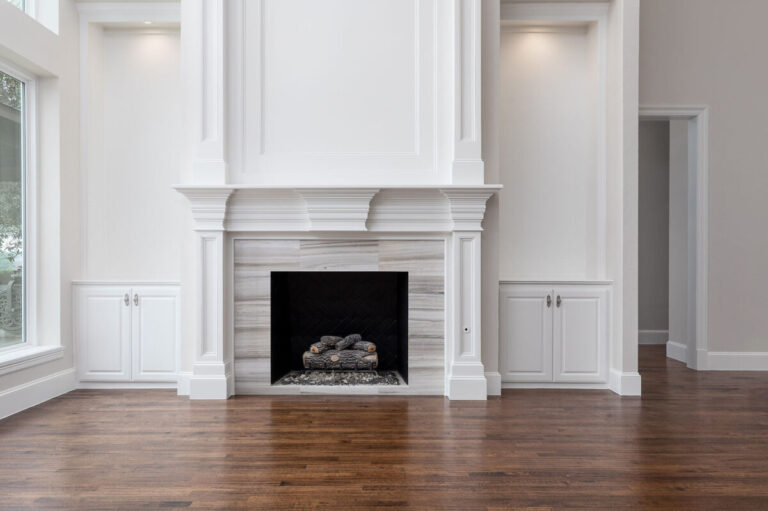
Timeless interior design focuses on enduring principles such as proportion, balance, quality materials, and functional layouts rather than relying heavily on short-lived decorative trends.
Trendy interiors often feature highly recognizable colors, finishes, or furniture styles associated with a particular moment. Although these choices can look beautiful initially, they may feel less appealing as preferences change.
Timeless design typically incorporates:
- Classic proportions: Furniture and architectural features that complement the scale of the room.
- Balanced color palettes: Versatile foundational colors that work with different decorative styles.
- Natural materials: Wood, stone, linen, wool, and other materials that offer lasting visual appeal.
- Quality craftsmanship: Well-constructed furnishings and finishes designed for everyday use.
- Functional layouts: Thoughtful arrangements that support how your household lives and entertains.
For example, a beautifully crafted wood dining table can complement traditional, transitional, or contemporary interiors depending on the surrounding furniture and accessories.
The key is to focus on elements that remain attractive and useful even when popular decorating styles change.
At hōme•ol•o•gy, we approach timeless design by considering the home’s architecture, the homeowner’s lifestyle, and the long-term flexibility of each design decision.
2. How Do You Choose Colors That Won’t Go Out of Style?
The best colors for a timeless interior are those that complement your home’s natural lighting, architectural features, and existing materials while allowing flexibility for future updates.
Neutral colors are often a practical starting point because they provide a versatile backdrop for furnishings and decorative accents. However, timeless design doesn’t require an entirely beige or white interior.
Consider these enduring color strategies:
- Warm whites and creams: Create an inviting atmosphere and pair beautifully with natural materials.
- Soft grays and greiges: Provide a subtle, sophisticated foundation when selected to complement the room’s lighting.
- Earth-inspired colors: Muted greens, warm browns, and natural clay tones introduce depth and warmth.
- Classic accent colors: Navy, charcoal, and deep blue-green can create an elegant focal point.
- Layered neutrals: Combining different shades and textures adds visual interest without relying on bold patterns.
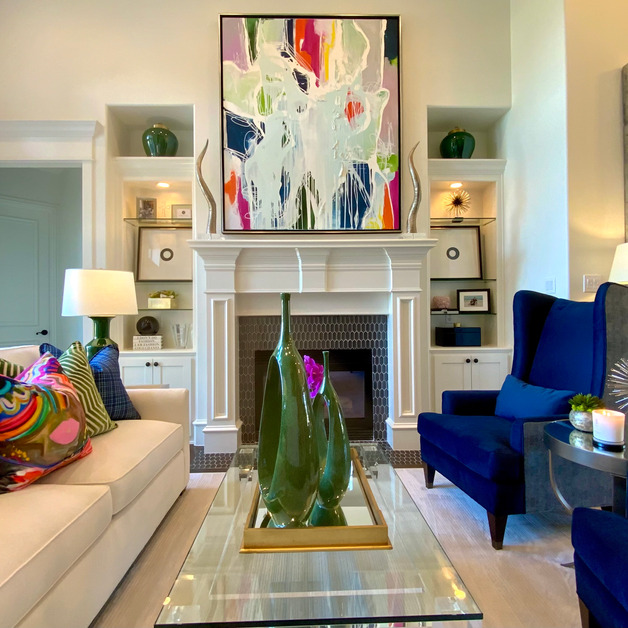
For homeowners who love vibrant colors, consider introducing them through artwork, accent chairs, pillows, or decorative accessories.
This approach makes it easier to refresh a room without repainting every wall or replacing expensive furnishings.
The goal isn’t to eliminate personality. It’s to create a flexible foundation that allows your personal style to evolve.
3. Which Modern Interior Design Trends Are Worth Investing In?
Modern design trends are worth investing in when they improve functionality, complement your home’s architecture, and offer lasting value beyond their current popularity.
Not every trend is temporary. Some reflect meaningful changes in how homeowners use their spaces, particularly when it comes to comfort, flexibility, and practical living.
Several modern interior design features have strong long-term appeal.
Natural Materials and Organic Textures
Wood cabinetry, stone countertops, woven textiles, and natural finishes create warmth and depth. Their organic variations help spaces feel layered and authentic rather than overly coordinated.
Thoughtful, Layered Lighting
Combining ambient, task, and accent lighting improves both functionality and atmosphere. Quality lighting can also highlight architectural details and create a more comfortable living environment.
Custom Storage Solutions
Built-in cabinetry, organized closets, and multifunctional furniture help homeowners maximize available space while reducing visual clutter.
Comfortable, Well-Proportioned Furniture
Sofas, dining chairs, and upholstered furnishings with classic silhouettes can remain stylish across changing trends, especially when crafted with durable materials.
Flexible Living Spaces
Rooms designed to accommodate multiple activities can adapt as household needs change.
According to the National Kitchen & Bath Association’s kitchen and bath design research, functionality, storage, and personalized design continue to influence remodeling priorities. These considerations can help homeowners distinguish practical long-term improvements from purely decorative trends.
At hōme•ol•o•gy, we encourage homeowners to invest in design elements that combine visual appeal with meaningful everyday benefits.
4. How Can You Incorporate Interior Design Trends Without Making Your Home Look Dated?
The easiest way to incorporate trends without making your home feel dated is to use them in decorative elements that can be updated without major renovations.
Think of your home’s design in two layers: permanent investments and flexible finishing touches.
Timeless Foundational Elements
These are typically more expensive or difficult to replace:
- Flooring and architectural details
- Kitchen and bathroom cabinetry
- Major upholstered furniture
- Countertops and permanent fixtures
- Built-in shelving and storage
Choose these elements carefully, prioritizing durability, quality, and compatibility with your home’s overall style.
Trend-Forward Decorative Elements
These are easier to update as your tastes change:
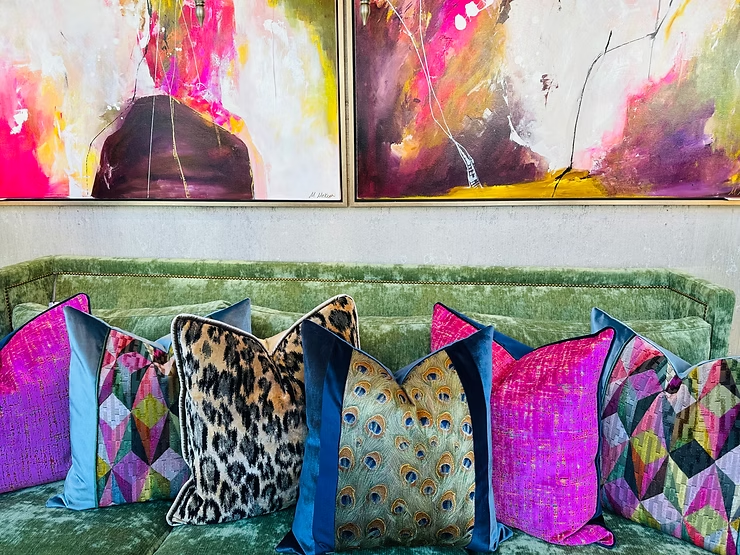
- Throw pillows and blankets
- Artwork and decorative accessories
- Area rugs
- Table lamps and smaller accent lighting
- Seasonal textiles and decorative objects
For example, if bold geometric patterns are popular, introduce them through pillows or artwork rather than committing to an expensive permanent installation.
Similarly, a statement accent chair can bring a fashionable color into an otherwise classic living room without overwhelming the space.
This balanced approach allows your home to feel current while avoiding frequent, costly redesigns.
5. Why Does Quality Matter More Than Following Interior Design Trends?
Quality matters because durable materials, thoughtful craftsmanship, and well-designed furnishings can provide lasting comfort and visual appeal, reducing the need for frequent replacements.
A trendy furniture piece may look impressive in a showroom, but its long-term value depends on how well it performs in your home.
When evaluating furniture and finishes, consider:
- Construction: Look for sturdy frames, durable joinery, and reliable hardware.
- Material performance: Select fabrics and surfaces appropriate for children, pets, and everyday activities.
- Comfort: Test seating and consider how furniture will function during extended use.
- Versatility: Choose pieces that can work with different color palettes and decorating styles.
- Maintenance: Understand the cleaning and care requirements before making a significant investment.
Custom furnishings can be especially valuable when standard furniture dimensions don’t suit a room’s proportions or functional needs.
Rather than selecting pieces solely because they’re fashionable, consider how they’ll complement your home over time.
At hōme•ol•o•gy, we believe a well-designed interior should balance beauty with practicality. By focusing on quality and thoughtful details, homeowners can create spaces that remain comfortable, cohesive, and personally meaningful.
Frequently Asked Questions About Timeless Interior Design
What interior design styles never go out of style?
Traditional, transitional, and understated contemporary interiors often have lasting appeal because they emphasize balanced proportions, quality materials, and functional layouts. However, no style is completely immune to changing preferences, so personalization is essential.
Is modern interior design considered timeless?
Modern interior design can be timeless when it incorporates clean lines, functional furniture, natural materials, and balanced color palettes. Designs that rely too heavily on temporary trends may become dated more quickly.
Should you avoid trendy colors when decorating?
No. Trendy colors can add personality and make a space feel fresh. Using them in easily replaceable accents allows you to experiment without committing to expensive long-term changes.
How often should you update your home’s interior design?
There is no fixed timeline for updating a home’s interior. Well-designed foundational elements can remain appealing for many years, while smaller decorative accessories can be refreshed whenever your preferences or lifestyle change.
Create a Timeless, Beautiful Home With hōme•ol•o•gy
Your home should reflect your personality, support your lifestyle, and feel beautiful long after the latest design trends have passed.
At hōme•ol•o•gy, we specialize in creating thoughtfully curated interiors that combine modern sophistication with lasting appeal. Whether you’re planning a complete home transformation or updating a favorite space, our team can help you select furnishings, finishes, and design elements that feel fresh today and timeless tomorrow.
Ready to create a home that never goes out of style? Contact hōme•ol•o•gy today to start designing a space you’ll love for years to come.