What Interior Design Features Help a Home Stay Comfortable Year-Round?
The interior design features that help a home stay comfortable year-round include effective window treatments, layered lighting, well-planned airflow, temperature-appropriate textiles, moisture-conscious materials, and thoughtful furniture placement. Together, these choices help manage heat, sunlight, drafts, humidity, and air circulation while creating rooms that remain inviting and functional through changing seasons.
At hōme•ol•o•gy, we believe comfort should be designed into a home, not added as an afterthought. As a full-service interior design firm, our team considers how a room looks alongside how it feels and functions every day. From space planning and custom furniture to lighting, textiles, and custom drapery, each selection can contribute to a more comfortable living environment. Our approach combines elevated aesthetics with practical details, creating interiors that respond to the way our clients actually live. The result is a home that feels polished and personal while supporting comfort from the warmest days of summer through the coldest days of winter.
Year-Round Home Comfort Starts With Thoughtful Interior Design
A comfortable home is not dependent on the thermostat alone. Interior design can influence how sunlight enters a room, how air circulates, how surfaces feel, and even whether a space seems warmer or cooler.
The most effective approach layers several design strategies rather than relying on a single feature.
How Do Window Treatments Improve Year-Round Comfort?
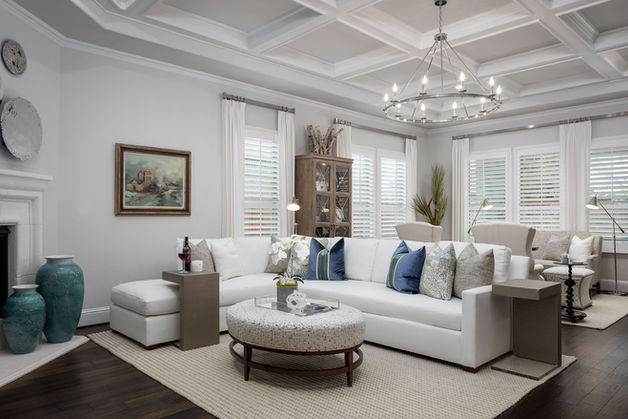
Window treatments can help control solar heat, drafts, glare, and privacy, making them one of the most valuable interior features for seasonal comfort.
In warm weather, shades and drapery can limit unwanted solar heat gain. During colder months, properly selected window coverings can add another insulating layer between the room and glass.
The U.S. Department of Energy notes that windows can account for 30 to 40 percent of a home’s heat loss during winter. DOE research also found that energy-efficient window attachments, including well-fitted cellular shades, can save HVAC energy compared with conventional vinyl blinds.
A layered window treatment can combine:
- A shade for adjustable sunlight and privacy
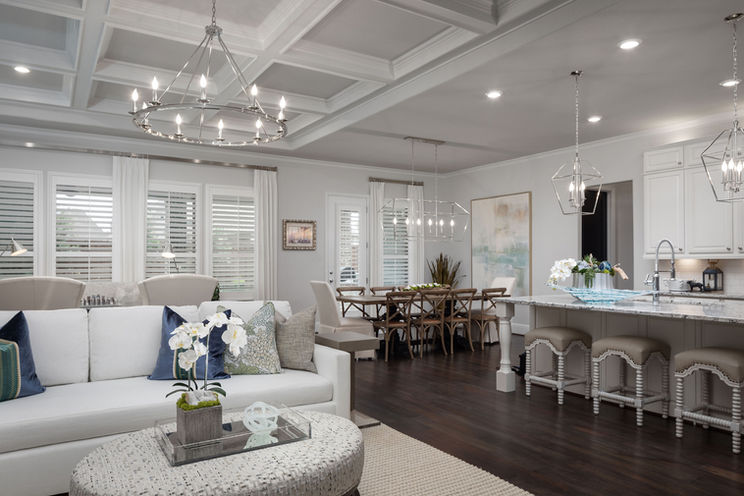
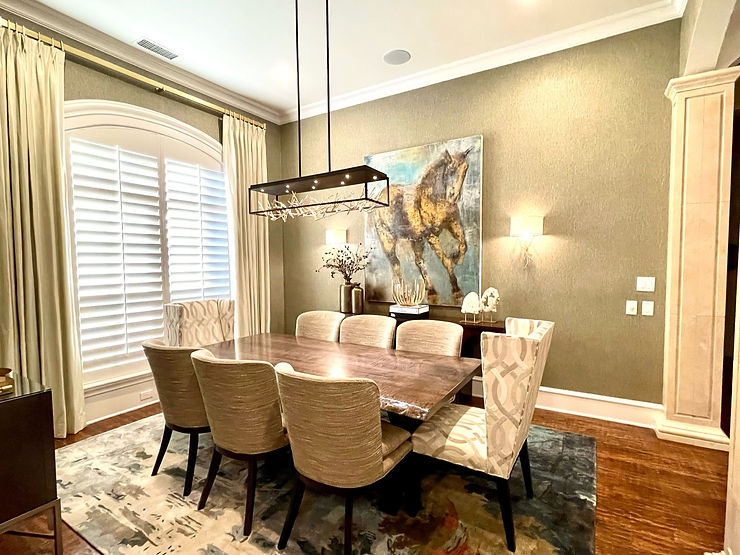
- Custom drapery for additional coverage and softness
- Lining selected for light control and insulation
- Motorization for convenient adjustment throughout the day
Custom drapery also offers an aesthetic advantage. Fabric, scale, fullness, and hardware can be selected specifically for the architecture and proportions of the room, allowing a practical comfort feature to become part of the overall design.
Can Furniture Placement Make a Room Feel More Comfortable?
Yes. Furniture placement affects airflow, sunlight exposure, circulation, and how people experience a room.
A beautiful floor plan should also account for heating and cooling vents, windows, doors, and natural pathways. Blocking an HVAC register with a large sofa, for example, can interfere with airflow. Placing a favorite reading chair directly in intense afternoon sun may make that otherwise inviting spot uncomfortable during warmer months.
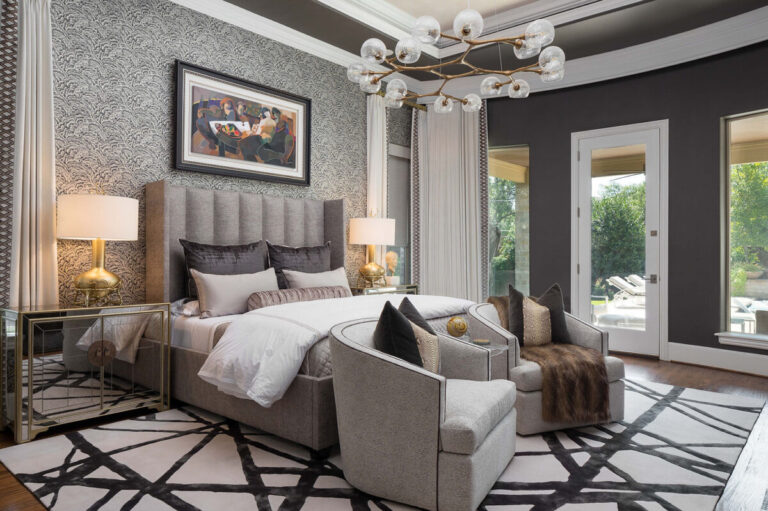
Thoughtful space planning considers where people naturally want to gather during different seasons. Seating can be oriented to enjoy daylight without excessive glare, while rugs and upholstered pieces can make expansive spaces feel warmer and more intimate.
Ceiling fans can also complement a thoughtful furniture plan. According to the U.S. Department of Energy, using a ceiling fan in summer can allow homeowners to raise the thermostat setting by about 4°F without reducing comfort. Fans cool people rather than rooms, so they should be switched off when a room is unoccupied.
Which Fabrics and Materials Work Best in Every Season?
Breathable, durable fabrics combined with layered textiles provide the greatest flexibility as temperatures change.
Instead of designing a room exclusively for summer or winter, choose foundational materials that work throughout the year, then add layers that can be adjusted seasonally.
Consider:
- Natural or breathable fabrics for upholstery and bedding
- Performance fabrics for frequently used seating
- Area rugs to soften hard flooring and add warmth underfoot
- Lightweight throws for transitional seasons
- Heavier blankets or textured accessories for colder weather
- Drapery linings appropriate for the room’s sunlight exposure
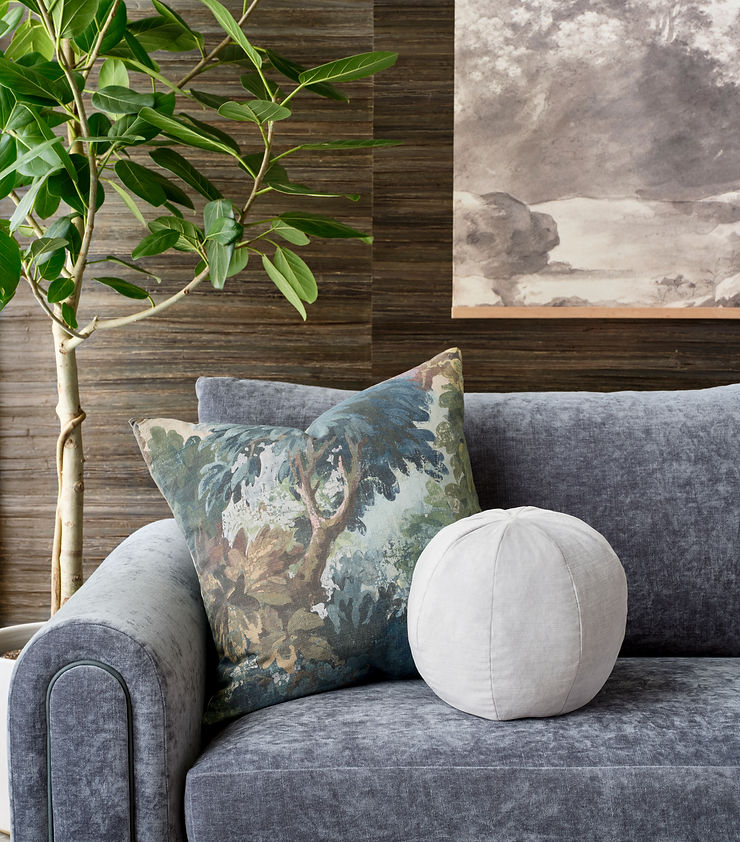
Texture matters visually, too. Wood, woven materials, upholstery, rugs, and fabric window treatments soften rooms filled with hard architectural surfaces. That layering can make an interior feel cozy without making it appear heavy.
At hōme•ol•o•gy, material selection is about balancing beauty with real life. The most successful rooms are not simply attractive on installation day. They continue to perform comfortably through daily use and changing seasons.
How Do Humidity and Ventilation Affect Home Comfort?
Indoor humidity and ventilation can significantly influence how comfortable a home feels, even when the temperature is technically within a comfortable range.
The U.S. Environmental Protection Agency recommends keeping indoor relative humidity below 60 percent and ideally between 30 and 50 percent. Excessive moisture can contribute to condensation and mold, while overly dry conditions can also create discomfort.
Design decisions can support better moisture management. Bathrooms and kitchens benefit from properly vented exhaust fans, while moisture-prone spaces should use materials appropriate for those conditions. Furniture and window treatments should also be planned so they do not unnecessarily interfere with ventilation or airflow.
Good interior design works with a home’s mechanical systems rather than against them.
What Lighting Choices Can Make a Home More Comfortable?
Layered, adjustable lighting helps a home respond to changing daylight and daily routines throughout the year.
Natural light changes dramatically by season, which means a room that feels bright in summer may require more artificial illumination during shorter winter days. Instead of depending on one overhead fixture, a layered lighting plan can include ambient, task, and accent lighting.
Dimmers add another level of flexibility. Bright task lighting may be useful on a dark morning, while softer illumination creates a more relaxing atmosphere in the evening.
Window treatments and lighting should also be considered together. Controlling glare without eliminating natural light allows homeowners to enjoy daylight while maintaining a comfortable environment for reading, working, watching television, or entertaining.
FAQ: Designing a Comfortable Home in Every Season
What is the ideal indoor humidity level for a comfortable home?
The EPA recommends keeping indoor relative humidity below 60 percent and ideally between 30 and 50 percent. Proper ventilation, air conditioning, dehumidification, and moisture management can help maintain appropriate levels.
Do curtains and shades actually help keep a house cooler?
Yes. Interior shades, blinds, and drapery can reduce unwanted solar heat gain by limiting the amount of direct sunlight entering through windows. The Department of Energy specifically identifies interior blinds and shades as effective tools for reducing undesirable solar heat gain.
Are ceiling fans useful in both summer and winter?
Yes. In summer, ceiling fans create a cooling wind-chill effect. Many ceiling fans can also be reversed during winter to help redistribute warm air that has collected near the ceiling.
What is the best way to design a home for all four seasons?
Start with flexible features rather than highly seasonal ones. Layered window treatments, adjustable lighting, well-planned furniture placement, versatile textiles, proper airflow, and moisture-conscious materials allow a home to adapt as temperature, humidity, and daylight change.
Create a Home Designed for Comfort and Style
Year-round comfort comes from hundreds of thoughtful choices working together. Window treatments manage sunlight, textiles add softness and flexibility, lighting responds to changing daylight, and intentional space planning supports airflow and everyday living. When these details are considered as part of one cohesive design, comfort and beauty do not have to compete.
Ready to create a home that feels as good as it looks in every season? Contact hōme•ol•o•gy to schedule a consultation and discover how thoughtful interior design can transform the way you experience your home.