How Do Accessories Make a Home Feel Luxurious?
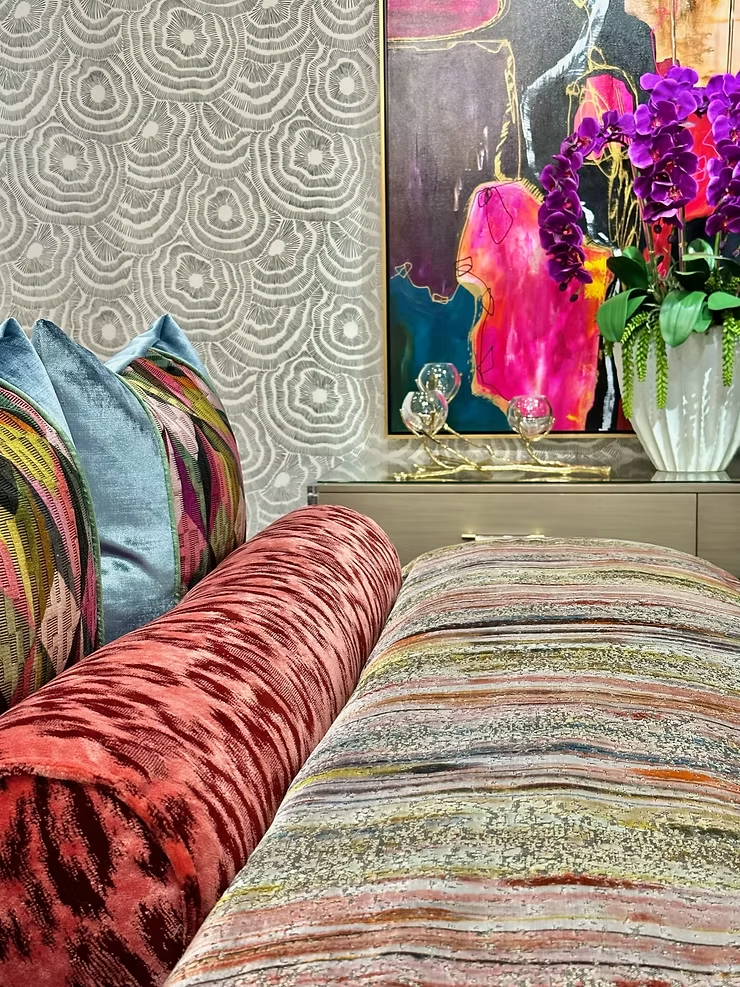
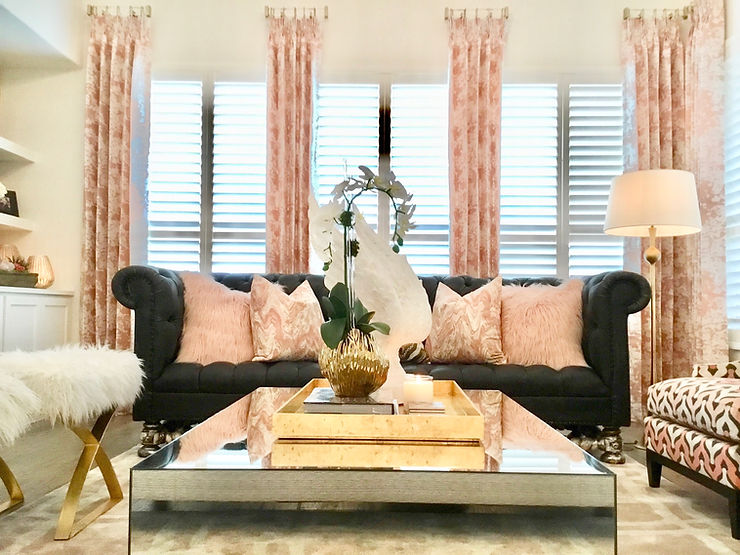
Accessories make a home feel luxurious by adding the final layers of texture, personality, proportion, and visual interest that connect a room’s larger design elements. Thoughtfully selected art, lighting, pillows, objects, books, greenery, and decorative accents transform a well-furnished space into an intentional, polished interior that feels personal rather than simply decorated.
At hōme•ol•o•gy, we believe the most memorable interiors are built through layers. Furniture, flooring, cabinetry, and architectural finishes establish the foundation, but accessories give a home its character. Our approach to interior design considers the entire experience of a room, including the smaller details that influence how it looks and feels. Rather than filling empty surfaces simply because they are there, we curate accessories that complement the home’s architecture, reinforce its color and material palette, and tell something about the people who live there. The result is a home that feels sophisticated without being overly styled, comfortable without feeling casual, and distinctly yours.
Luxury Home Styling: Why the Finishing Details Matter
Accessories are important because they create the visual connections that make individual furnishings and finishes feel like one cohesive design. They can repeat a color, introduce contrast, soften hard surfaces, establish scale, or give the eye a focal point.
Current design trends reinforce the importance of this layered approach. Houzz’s 2026 Emerging Summer Trends Report found growing interest in tactile, sensory-rich interiors that feel personal and purposeful. Searches for sandstone increased 257 percent year over year, while linen wallpaper rose 104 percent and seagrass wallpaper increased 94 percent. Houzz also reported significant growth in warm, earthy colors, including rust, chocolate brown, mushroom, sage, taupe, and cream.
Accessories provide a practical way to bring these ideas into a home without redesigning an entire room.
Why Are Accessories So Important in Interior Design?
Accessories make a room feel complete because they bridge the gap between functionality and personality.
A sofa and chairs may make a living room functional. Add a sculptural lamp, thoughtfully placed books, original artwork, textured pillows, a beautiful throw, and objects with personal meaning, and the same room begins to feel collected and intentional.
Accessories can help:
- Establish a clear focal point
- Repeat colors and materials throughout the room
- Add softness to spaces with stone, wood, glass, or metal
- Introduce different heights, shapes, and proportions
- Give shelves and tables a sense of rhythm
- Reflect a homeowner’s interests, travels, and history
- Make a newly designed space feel established and lived in
This preference for personality is becoming increasingly visible in residential design. Houzz’s 2025 Fall Design Trends Report noted that homeowners were moving toward more individualized interiors, while designers were using layered textures to create warmth, depth, and dimension.
Luxury, in other words, does not have to mean more. It often means more considered.
What Accessories Make a Home Look More Luxurious?
The best luxury home accessories combine beauty, craftsmanship, scale, and relevance to the room.
Rather than purchasing many small decorative objects, consider investing in fewer pieces with stronger visual impact. Some of the most effective choices include:
- Original or thoughtfully selected artwork. Art immediately gives a room personality and can establish the palette or mood for an entire space.
- Sculptural lighting. Lamps, sconces, and decorative fixtures can function almost like artwork while introducing warm, flattering light.
- Textiles with tactile appeal. Pillows, throws, rugs, and window treatments in linen, velvet, wool, silk, or richly woven fabrics add depth.
- Natural materials. Stone objects, wood, ceramics, woven fibers, and organic forms introduce subtle variation and prevent a room from feeling overly manufactured.
- Books and meaningful objects. A beautiful interior should reveal something about the people who live there. Books, collected pieces, heirlooms, and travel finds help create that connection.
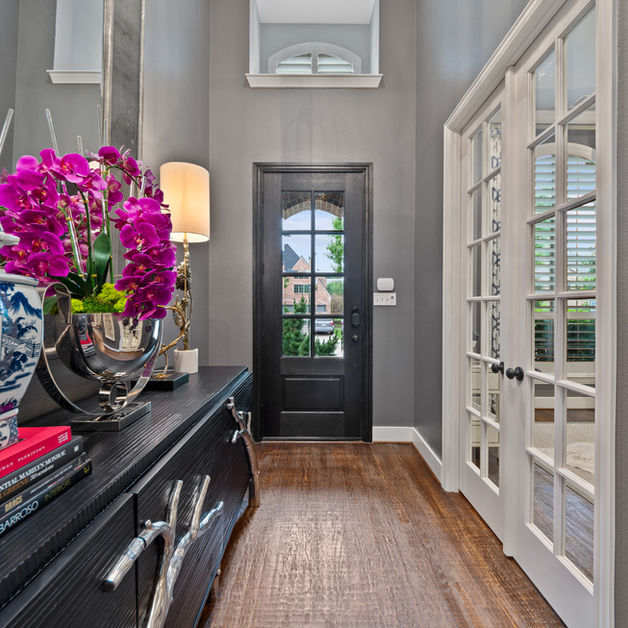
- Greenery and floral arrangements. Natural elements bring softness, movement, and life to highly finished rooms.
Sculptural pieces are particularly relevant to current luxury interiors. At Maison & Objet 2026, Houzz identified sculptural forms, heritage crafts, warm neutrals, and everyday objects elevated through luxurious detailing among the major themes influencing design.
How Do You Accessorize Without Making a Room Look Cluttered?
The key is editing. Luxury styling gives objects room to be noticed instead of filling every available surface.
Start by identifying the places that naturally attract attention, such as a fireplace mantel, coffee table, console, built-in shelving, or large blank wall. Create intentional moments in those areas rather than spreading accessories evenly throughout the room.
A few principles can help:
- Vary scale. Combine taller pieces with lower objects rather than using accessories of identical heights.
- Leave negative space. An empty section of a shelf or tabletop gives important pieces more impact.
- Repeat selectively. Carrying a material or color through several areas creates cohesion.
- Mix shapes. Pair angular furniture with curved or organic accessories for contrast.
- Consider sightlines. Accessories should look intentional from the room’s main entrances and seating areas.
- Edit regularly. If everything demands attention, nothing becomes the focal point.
This movement toward richer but carefully considered interiors is evident in current design research. Houzz reports that warm materials, heritage-inspired details, textured finishes, and personalized spaces are helping define residential design in 2026.
Should Luxury Accessories Match the Furniture?
Luxury accessories should coordinate with the furniture, but they should not match it exactly. Contrast is often what gives a professionally designed room depth.
For example, a streamlined contemporary sofa can feel warmer when paired with a hand-thrown ceramic vessel or vintage-inspired lamp. A traditional wood console may feel fresher beneath contemporary artwork. A neutral room can gain dimension from brass, stone, glass, textured textiles, and darker wood accents.
The goal is to create relationships between pieces rather than purchasing everything from the same collection.
That approach also makes a home feel more authentic. A room assembled entirely from matching pieces can feel like a showroom. A room combining complementary pieces from different sources feels collected over time, even when the entire interior was professionally designed at once.
How Can Accessories Make an Interior Feel More Personal?
Personal accessories turn a beautifully designed space into your beautifully designed space.
Consider incorporating framed photography, meaningful books, commissioned artwork, family heirlooms, objects from memorable travels, or pieces connected to hobbies and interests. The key is integrating these belongings thoughtfully so they feel like part of the overall design.
A professional interior designer can also help determine which existing pieces deserve prominence and what new accessories are needed to complete the composition.
This emphasis on individuality aligns with broader design trends. Houzz has reported increased interest in personalized interiors and vintage elements, including strong year-over-year growth in searches for vintage living rooms, kitchens, bathroom vanities, china cabinets, and hutches.
A truly luxurious interior should not look interchangeable with anyone else’s home.
Frequently Asked Questions About Luxury Home Accessories
How many accessories should you put in a room?
There is no ideal number. The appropriate amount depends on the room’s size, furniture, architectural details, and visual complexity. A luxury interior generally benefits from a carefully edited selection rather than accessories covering every available surface.
What makes home decor look expensive?
Scale, craftsmanship, natural materials, thoughtful placement, and restraint often make decor appear more luxurious than quantity does. Large artwork, substantial lighting, tactile textiles, handcrafted objects, and well-styled negative space can have greater impact than numerous inexpensive accents.
Do accessories have to be expensive to create a luxury look?
No. Luxury comes from thoughtful curation as much as price. Mixing investment pieces with books, collected objects, vintage finds, greenery, and meaningful personal items can create a sophisticated interior without requiring every accessory to carry a luxury price tag.
What is the biggest mistake people make when accessorizing a home?
One of the biggest mistakes is treating accessories as unrelated finishing touches. The most successful accessories reinforce the room’s scale, palette, textures, and overall design story instead of simply occupying empty surfaces.
Complete Your Home With Thoughtful Interior Styling
A luxury interior is not finished when the furniture arrives. It is finished when every layer works together, from the largest architectural decision to the smallest object on a table.
At hōme•ol•o•gy, we approach accessories as an essential part of creating a cohesive, personal, and beautifully resolved home. Through thoughtful selection, layering, styling, and editing, the right finishing pieces can bring warmth and personality to your space while allowing the design itself to shine.
Ready to give your home the finishing touches it deserves? Contact hōme•ol•o•gy today to discover how thoughtful interior design and accessory styling can transform a beautiful room into a home that feels completely yours.